ANT Trust
8:30 - 4:30 PM no weekends
Services
Kai, support with housing, education, finance, health and mobile services
Reach out to us

 te aroha
 i a
i a
 ki a tātau
We champion the mana of Whānau Ora alongside our 51 Rangitāmiro Partners throughout Region 1 who deliver a wide range of support services including:
Whānau Hauora, Housing, Kai, Kaumātua, Tamariki and Rangatāhi, Pēpi, Parenting, Oranga Hinengaro, Healthy lifestyle, Employment and Financial Security, Rongoā and a lot more.
Find your nearest Rangitāmiro Partner on our map featuring their contact details, hours of operation and how they can tautoko you and your whānau.
Whānau, you do not need a referral, you can get in touch with you local provider directly.
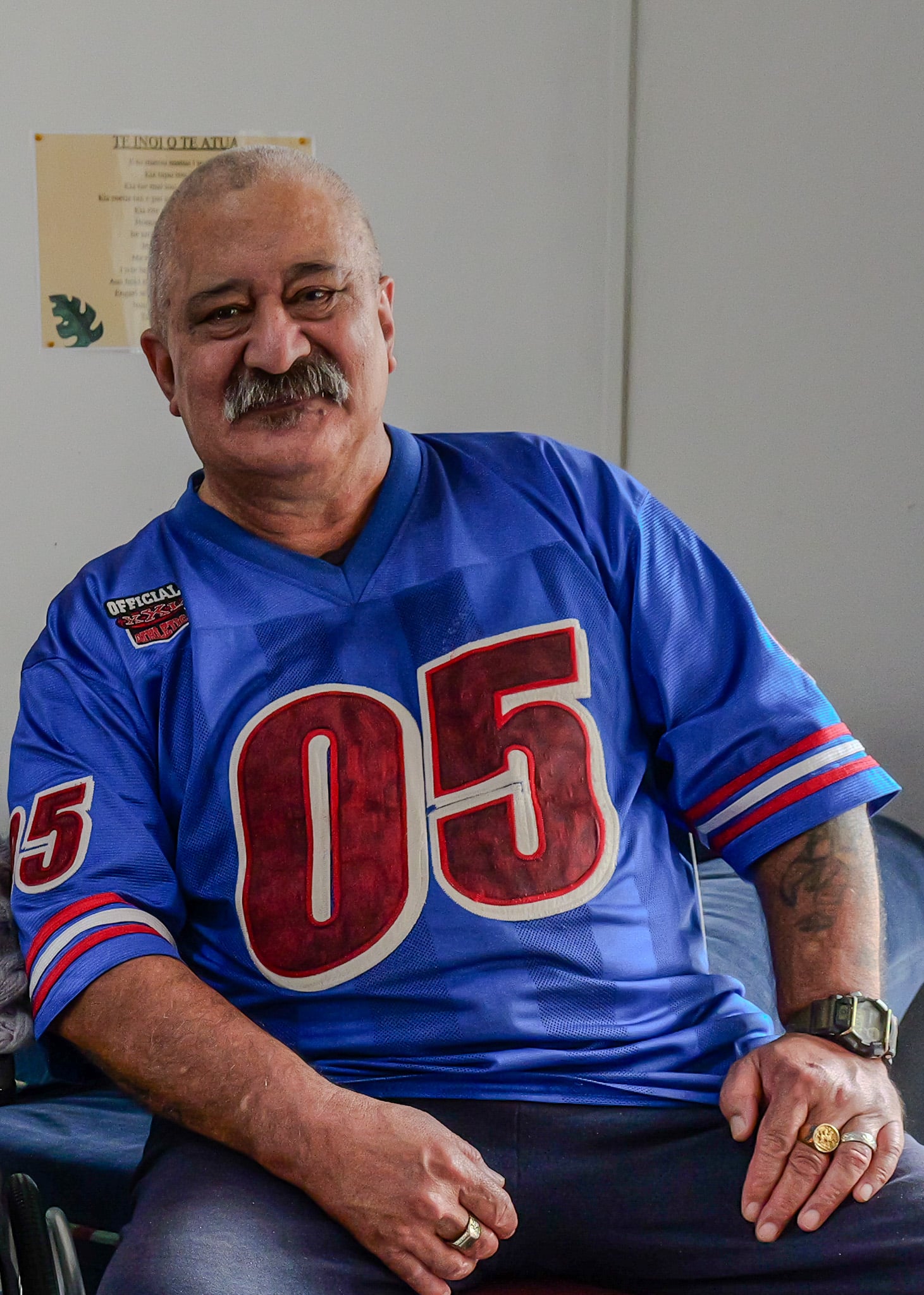
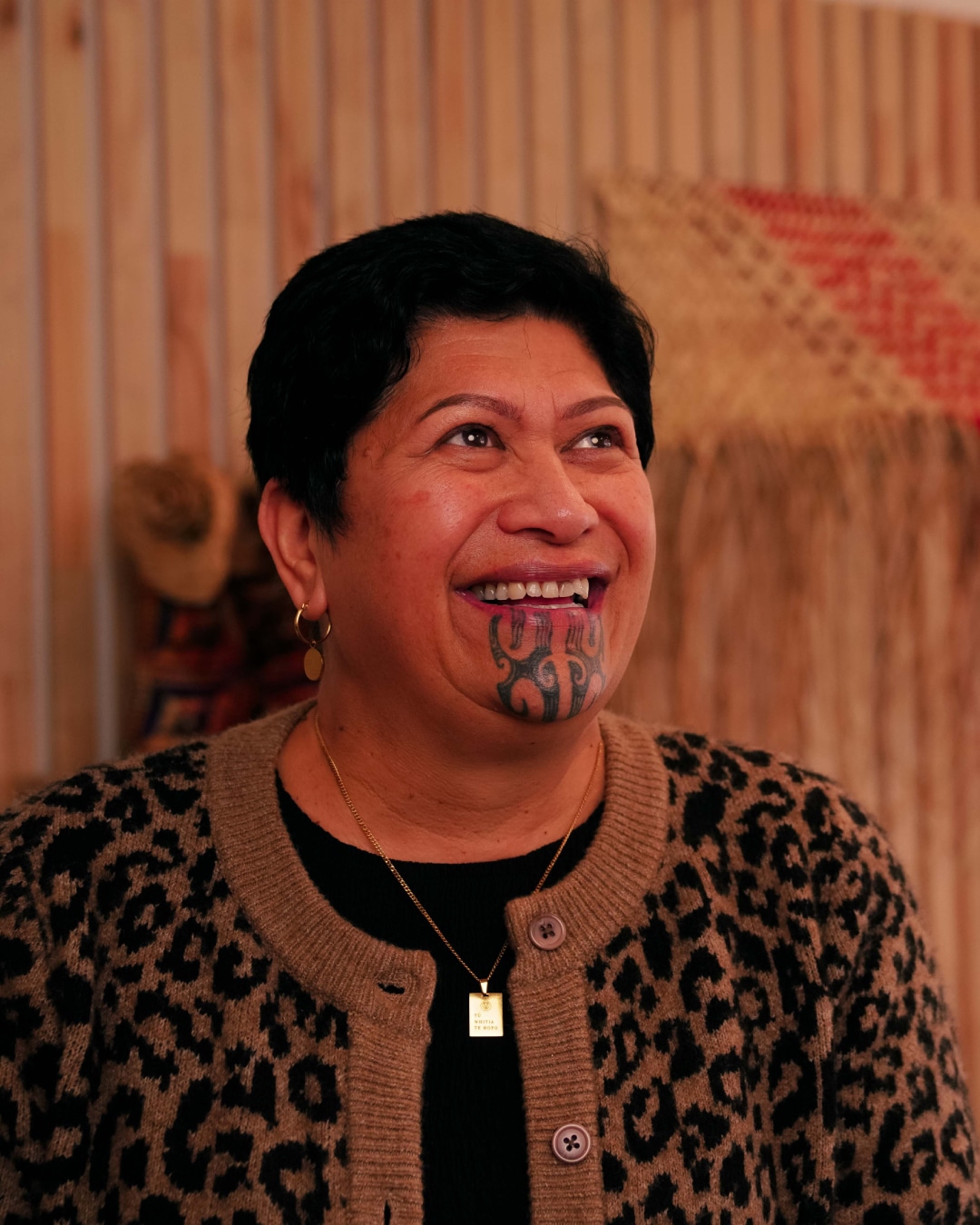
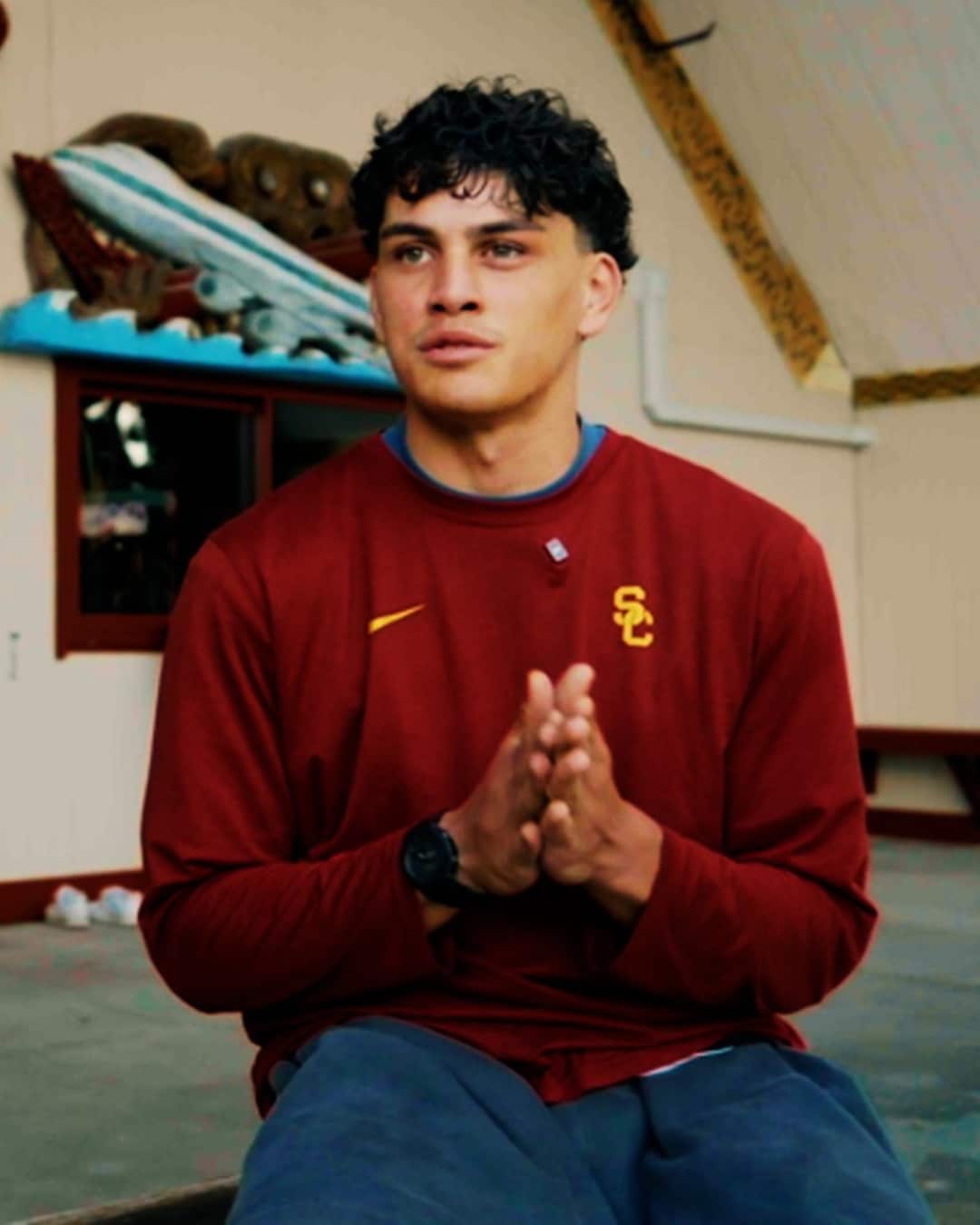
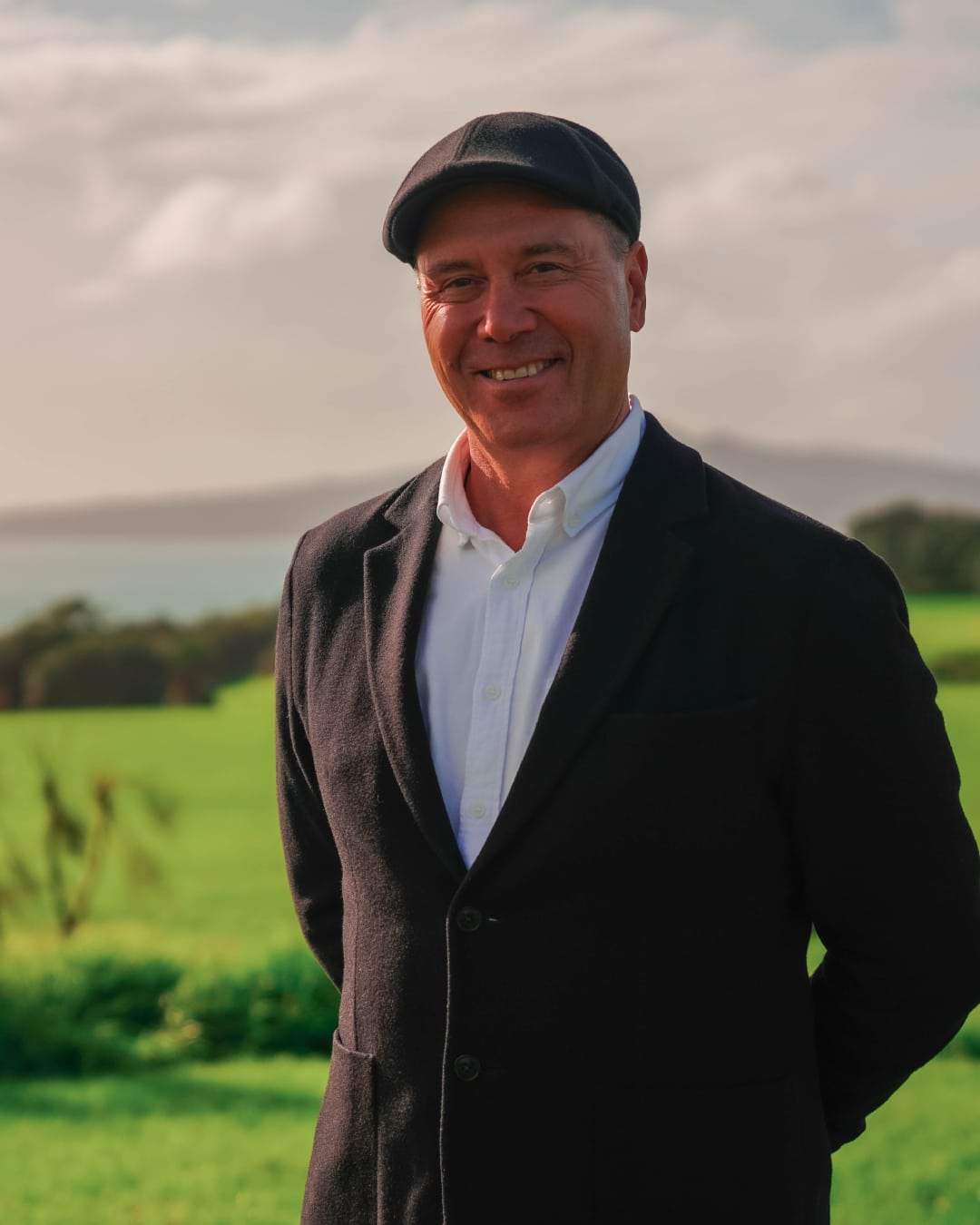
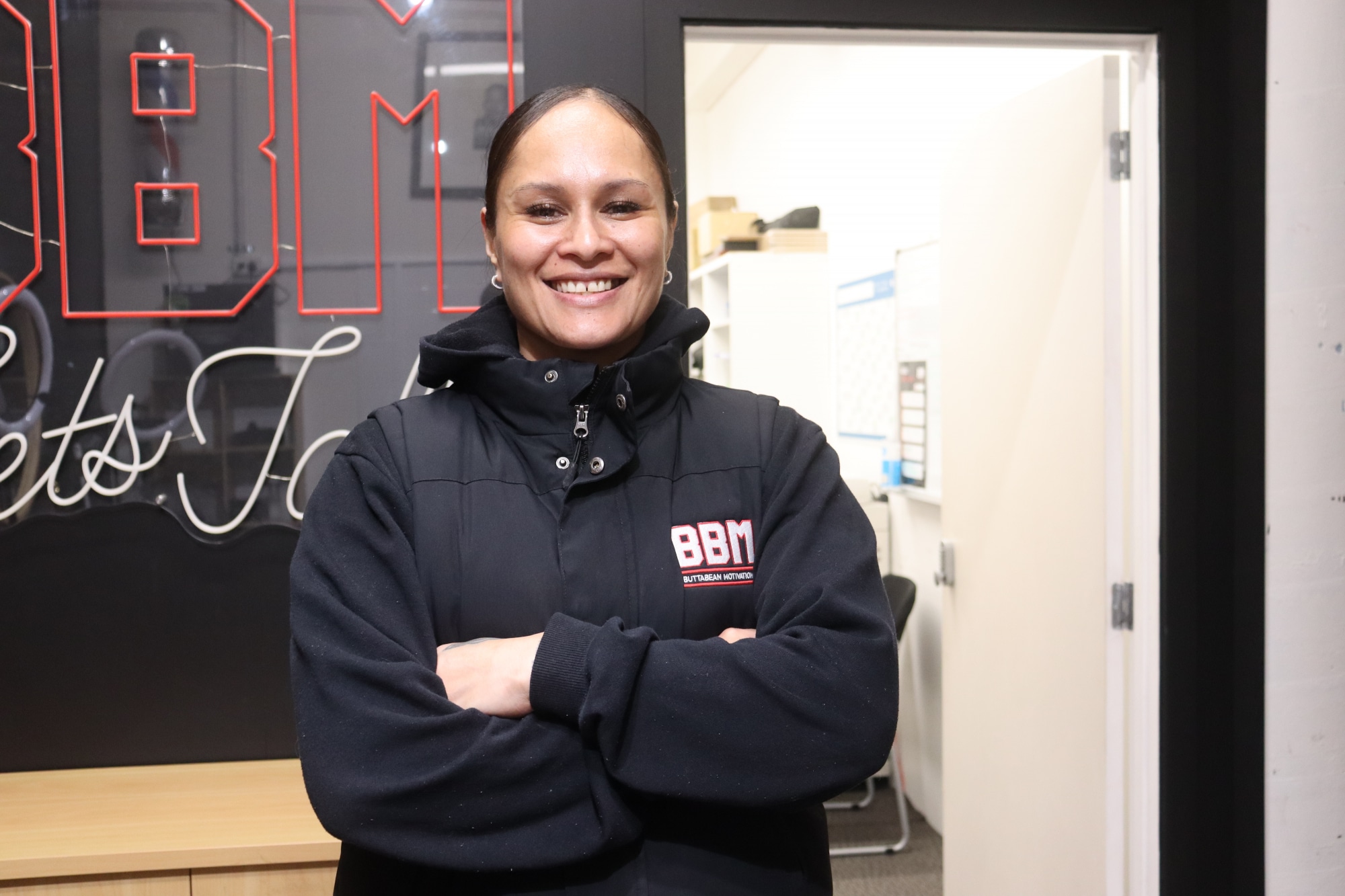
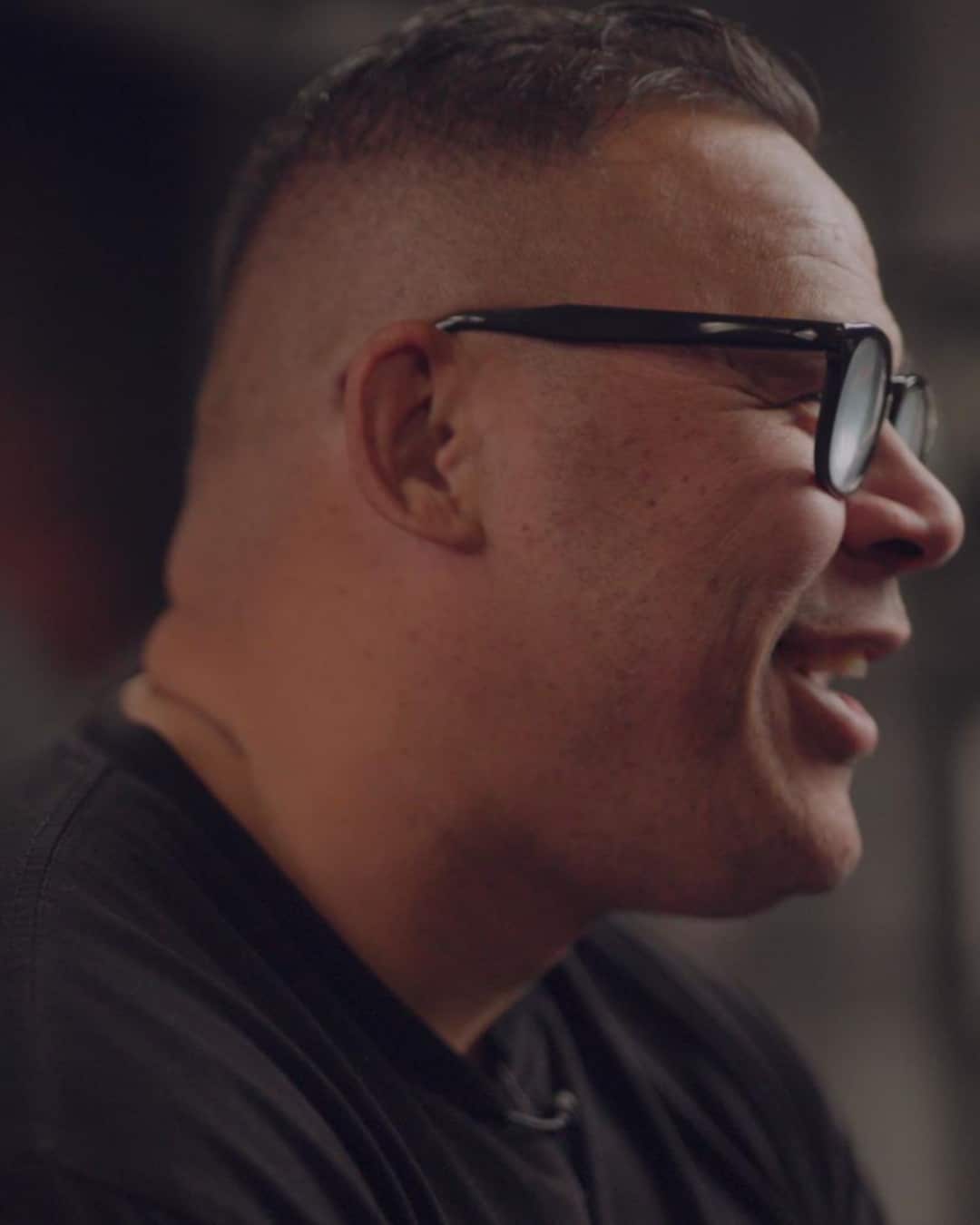
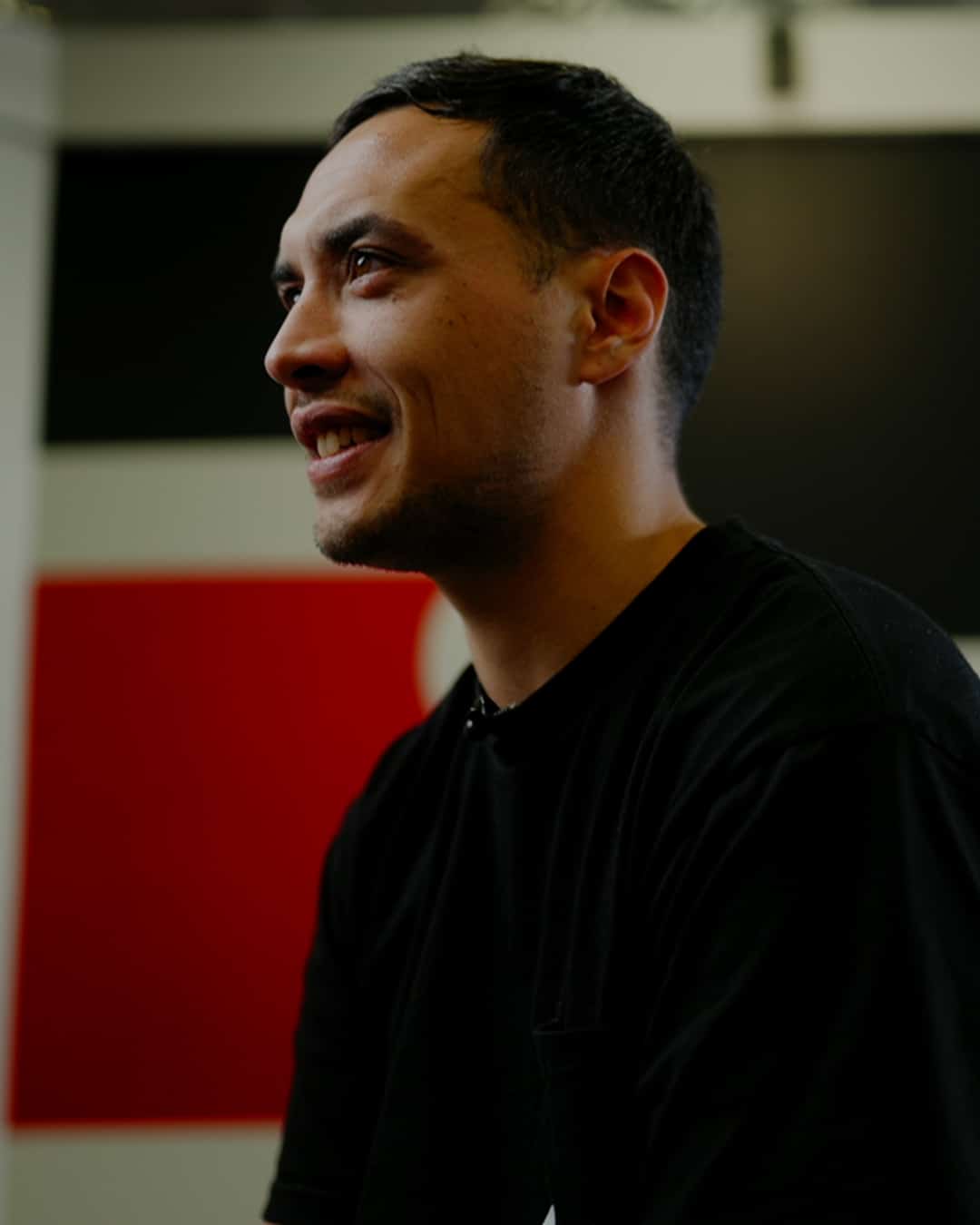
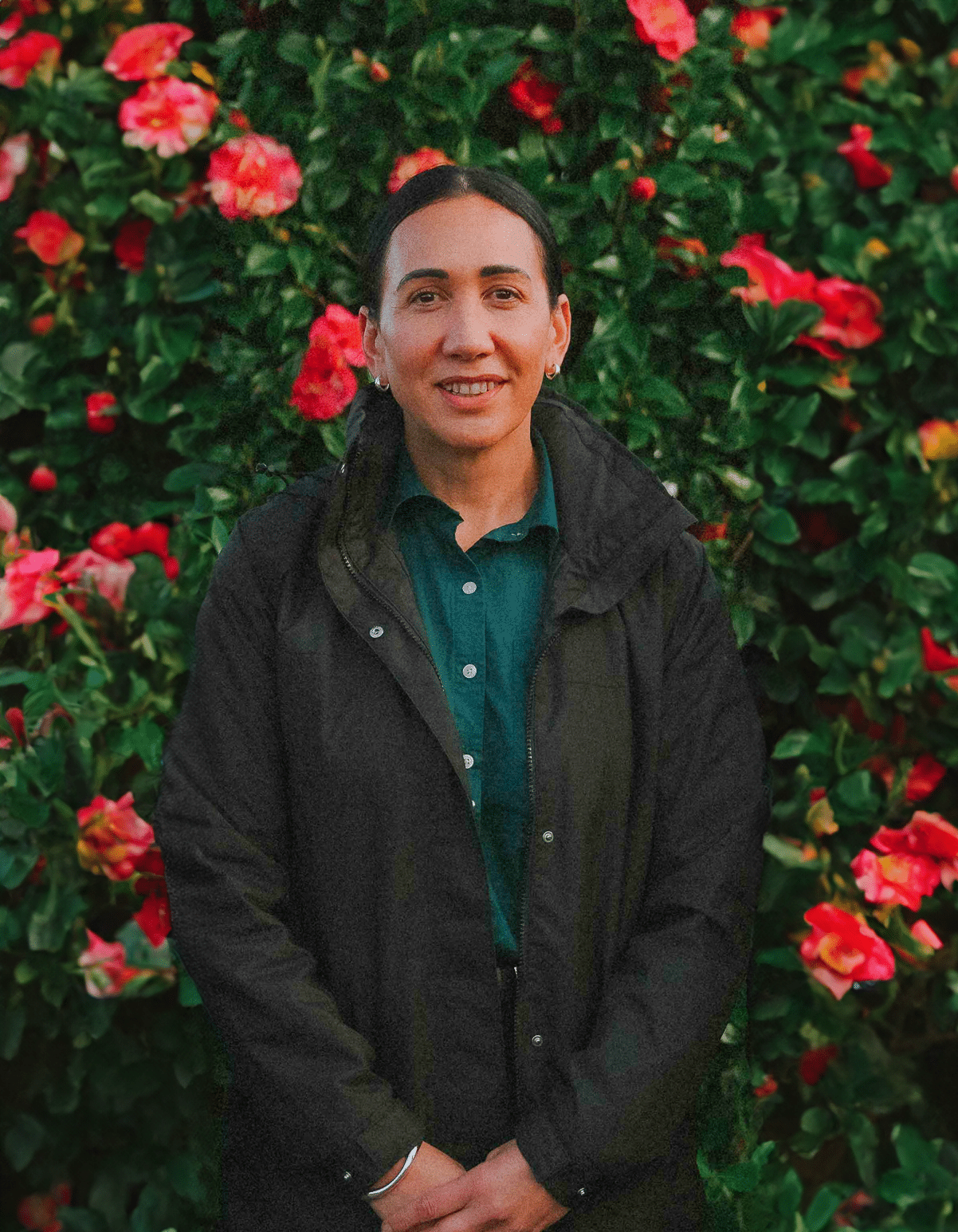
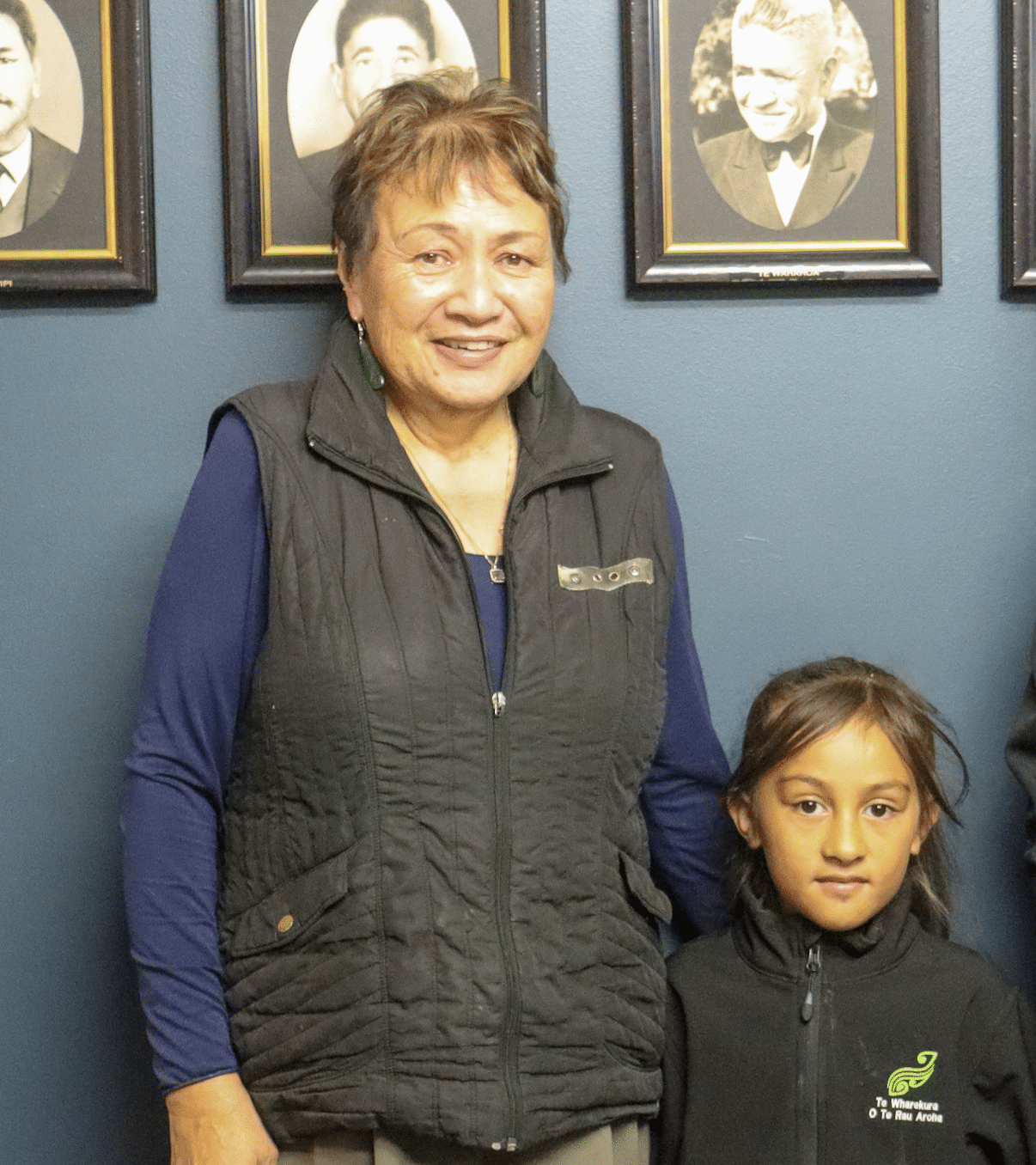

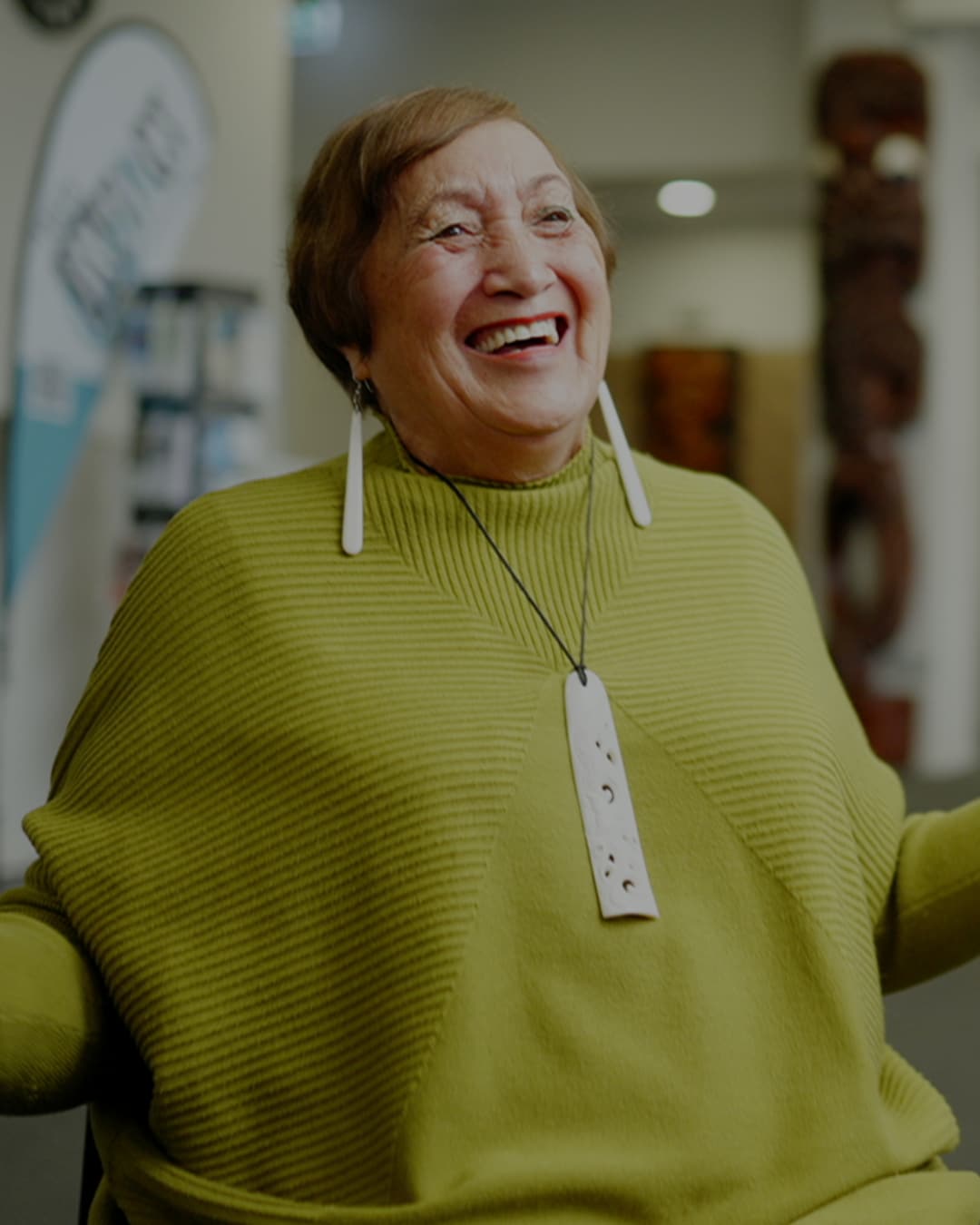

“Rauawaawa has given me my life back, it’s given me purpose. From being in a depression, to smiling and laughing."
Content Warning: This contains a detail of potential self-harm
When you hear laughter at Rauawaawa Kaumātua Trust you know Dave will be involved somehow, a stark contrast to a few years ago when a stranger’s comment introduced him to the big black dog.
“I had a stroke. I ended up having brain surgery and lost the use of my left-hand side. I used to love going shopping with my wife. Once I got out of hospital, we went to the supermarket, and I fell over in the middle of the aisle. This lady, only a few feet from me, said in a loud, clear voice, ‘How disgusting…drunk in public’ and it hurt. She didn’t even bother to ask if I was okay.”
One inconsiderate comment had devastating consequences.
“I curled up on the floor. I asked my wife and son to take me home before they went to work. I went inside, locked the house, closed the blinds, and stayed in total darkness. If anyone came and knocked on the door, I would hide in my wardrobe. I went into depression. I would wait for my wife to go to work, then I would sit in our garage, in the dark, holding a piece of rope. I knew I couldn’t do anything like that to my wife. So, I would go inside, hide the rope, and cry. For two years I lived like that. I wouldn’t go out. I couldn’t stand to be seen in public, weak and falling over.”
Reluctantly and over time, whānau and friends stopped going to the house until one day Dave’s wife went to a trusted relative for help.
“My brother-in-law came to visit me. Knowing I had locked myself inside, he climbed through an open window and found me hiding in the wardrobe. He pulled me out, threw me on the couch, and told me I needed to get it together. I just sat there. As soon as he left, I locked the house and every window to make sure no one else could get in. And I went back to my depression. Two weeks later, he passed away. I found out he had been dying from cancer, yet he put his worries aside to see me. I felt bad about that. One of the things he spoke to me about was Rauawaawa because he came here.”
During his brother-in-law’s funeral, Dave promised that he would go to Rauawaawa Kaumātua Charitable Trust, and he did.
“It took me weeks because I didn’t have the courage or the strength to come here. One day I just got in my car, drove over and walked in. I glanced through a window and saw all these people around a table laughing and talking. I stood there staring before a staff member came up, greeted me, and invited me inside to meet everyone.”
Dave was surprised to see so many kaumātua in the room had illnesses, walkers and wheelchairs, yet they were all enjoying themselves, and not one of them was complaining.
“I suddenly realised, why was I depressed, when all these people with different issues, are smiling and laughing. Right then I decided I would start coming here. The day I joined I was 125 kilos, I couldn’t walk from my front door to the letterbox. Within a few months of using their Bixeps machine I was more mobile. I went from 125 kilos to 107 and entered a biathlon. Before I came here, I had two problems. Overweight and lacking spirituality. I had no purpose. The staff and kaumātua have fixed my spirituality. I was being cared for physically and mentally. It was nourishment that gave me the balance I needed.”
Dave has also embraced his Māori culture, learning to speak te reo to the point he now leads karakia and whakatau. As a former semi-professional musician, Dave reignited his love for music playing guitar and drums for the kaumātua band.
“I reclaimed myself. The lady who made that comment in the supermarket that day made me feel unworthy to be drawing breath with everyone else. I had no right to be so focused on such a morbid thing. Life is worth living. If you lose something, you gain something else. Don’t count your losses, count your gains.”
Dave recalls three memorable days he spent with his wife on the family farm in Raglan. It was where he finally set himself free.
“I had that rope in the boot of my car. My wife asked what the rope was for, and I joked I didn’t need a tow rope anymore because I didn’t have a tow bar, and I threw it into the bushes. It was a symbol of that time, and I needed it not to be around us anymore.”
Reflecting on the dark space that enveloped him two years ago, Dave used to get upset. Now he can see how the rawness of his past can be used to help others.
“My tears used to fall faster than my words would when talking about my dark days. I don’t feel pain now when describing my experience; I’ve learnt that my journey can be turned around as something positive to help heal others. Rauawaawa has given me my life back, it’s given me purpose. From a state of depression where I wanted to end it, to smiling, laughing, and living. I’m enjoying life again. People here have shown me what life is and that there’s more to be lived yet.”
If you or someone you know is struggling with self-harm or having suicidal thoughts, please seek help immediately. These feelings are serious and treatable, and you don’t have to go through them alone.
“I’m proud of myself. I know I’m progressing and I’m very glad, I am.”
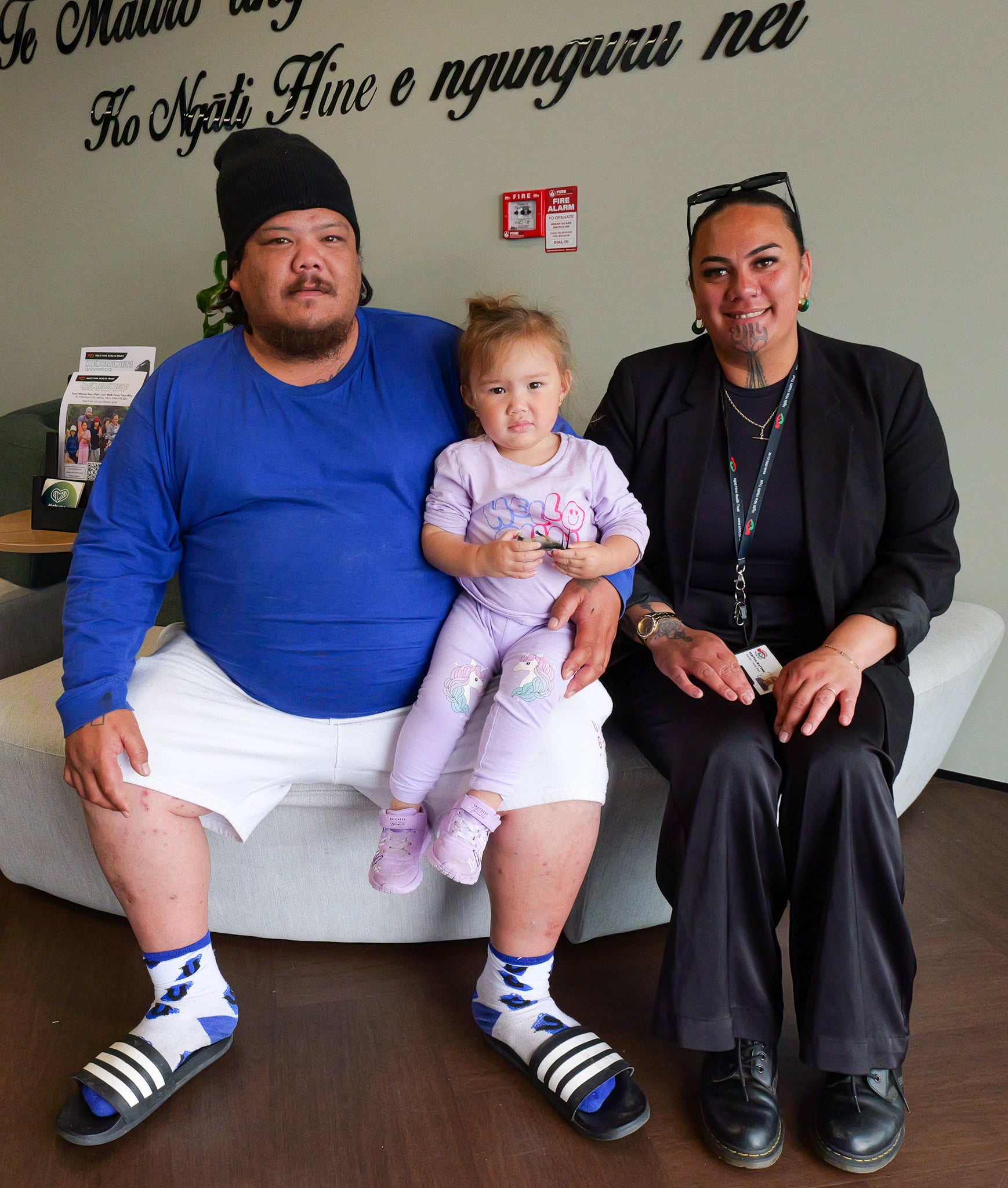
Given how much Kaiwhiriwhiri Tabitha Watene has improved his life, Kyle does not want to think about where he would be without Ngāti Hine Health Trust.
“I was a nobody staying on a farm with my mate, there were no limits, no laws just do whatever. I had countless court hearings, family court sessions, community work, and WINZ appointments piling up, but I had no vehicle. I couldn’t find a place where I could start clearing these obstacles and they were circling around me. Whenever it builds up and gets too much, I always find the opportunity to go to jail, and it clears everything while I’m in there”.
Two years ago, Kyle’s daughter was born. He wanted a better life with more stability, and he knew his priorities needed to change when he walked into Ngāti Hine Health Trust in March and met Kaiwhiriwhiri Tabitha Watene.
“Tabitha is the reason I am where I am today. Without her I’d still be couch-surfing and going around in circles. I got used to this way of living because I’ve been doing it for many, many years. Once I clear everything like court appearances, I get bored, so I go and cause something else and it all starts up again.”
In the past few months Tabitha has advocated for Kyle to clear any outstanding obligations with various agencies including the justice system. As a result, he got his driver’s license back and a few weeks ago he moved into his first house. In reflection Kyle can see how ingrained his behaviour had become.
“I started smoking with my mates at Intermediate School, shoplifting from the Four Square down the road and it was all exciting. I just did it all too fast then moved onto bigger things like stealing cars, walking around drunk causing trouble, stealing from people’s homes and that’s what led me into the cycle that kept repeating itself. My whānau would look at me and they wouldn’t know where to begin to help, but they knew I needed to change things myself.”
With Tabitha’s support and advocacy, Kyle has cleared all outstanding agencies and legal commitments. He has changed his course towards a new path of positivity and wellbeing.
“Every time I needed help, Tabitha was there, so I made sure I stayed solid with her. Whenever we met, I was always on time, I stayed off the drugs, and I made a commitment to her. I’ve chosen to stay straight and solid after meeting Tabitha. She’s stayed loyal, so I stayed loyal.”
Upon meeting Kyle, Tabitha could see the turmoil surrounding him and before supporting him she laid some ground rules.
“He had a lot going on with a driving offence in the courts and his baby had been uplifted by Oranga Tamariki and placed in state care, which is why he came to us in the first place. With every whānau I tell them it’s their journey, and I am here to guide them, so if they meet me halfway, I’ll meet them halfway. You work hard with me; I will do my best to support you through this journey. Like he said, Kyle showed up to everything. He’s now out of the district court, which is a blessing because initially they said he was looking at incarceration. Somehow, I was able to advocate for him because they said he was red flagged for being aggressive and non-engaging. I told them he was great with me. They were using terminology Kyle didn’t understand so he couldn’t engage and understandably he would become frustrated.”
Tabitha can see the ripple effect Kyle’s transformation is having.
“For the past three months Kyle has managed to get 50/50 shared care of his two-year-old daughter, and he just moved into his new brand-new whare three weeks ago. It’s just been the most beautiful thing to see from when they first came in. Kyle finds a way to get it done, which proves to his critics that he is capable. He has shared custody of his daughter; he takes his drug tests and passes them. Now he has purpose, he has drive, and he has made his baby his pou to achieve and cancel out anything that doesn’t align to his journey now.”
Feeling a sense of achievement has inspired Kyle to set more goals.
“I’m going to get my licenses reinstated and then get some work. That’s the next goal for another chapter towards a new beginning. I’m proud of myself. I know I’m progressing and I’m very glad, I am.”
Kaiwhiriwhiri Nat and Irish Making A Real Difference For Whangarei Whānau
“It’s not about how we support whānau, it’s about their journey and their accomplishments, that’s where the appreciation in your mahi truly comes from.” – Kaiwhiriwhiri Irish Beazley.
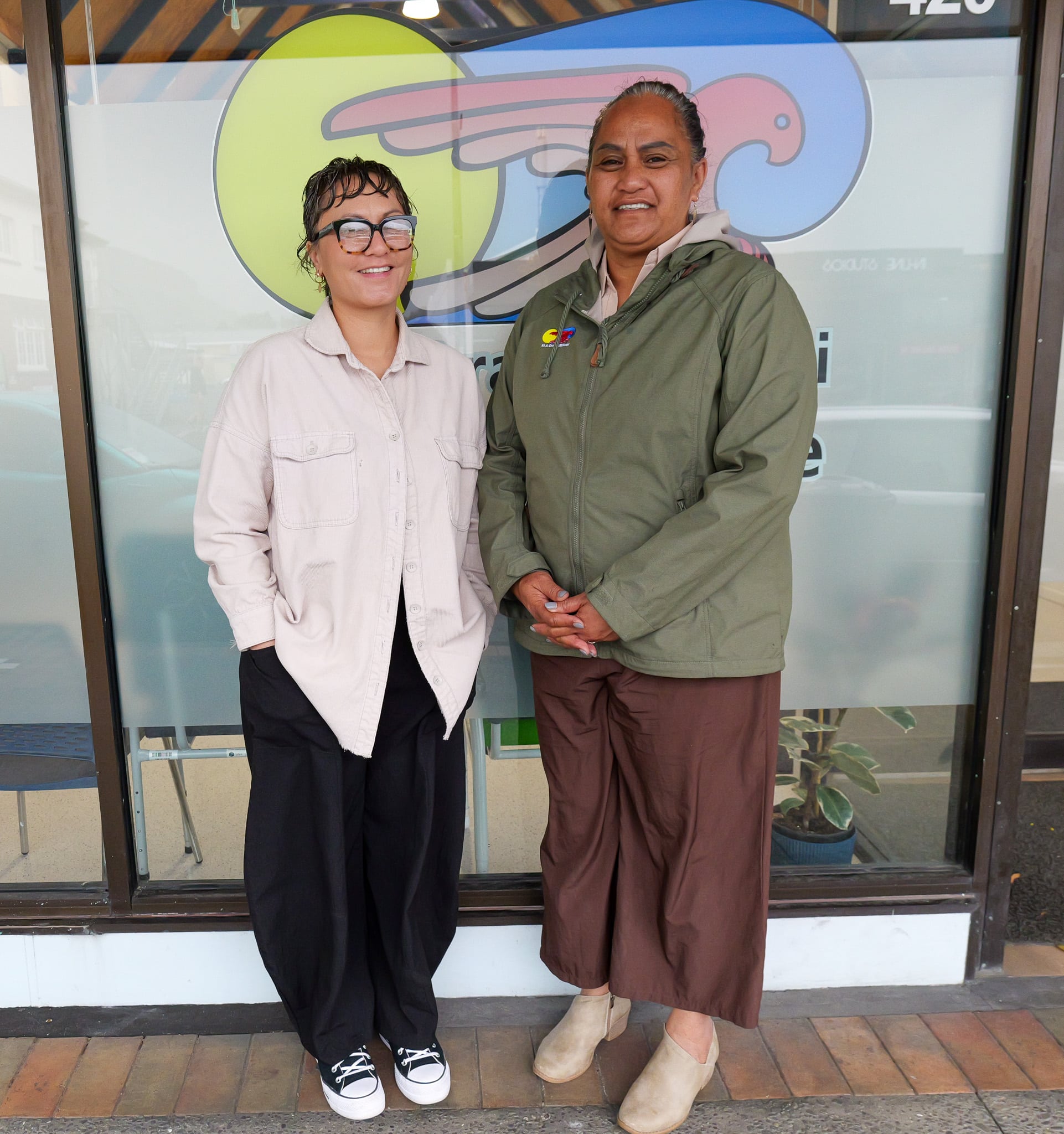
Qualified Social Worker and Kaiwhiriwhiri, Irish Beazley, knows whānau need support whether they walk through the door, are referred by other agencies or discovered on her daily travels throughout the community.
“I saw a homeless kaumātua at Hika Lake mixing some milk powder under the tap for his breakfast and giving himself a wash in the toilets. I approached him for a korero, and learned he had been living like this for three weeks as he was estranged from his whānau, so we started to work together. Two weeks later he was in his own house through Arataki and doing some of their programmes.
He was in his mid 60’s, had been living rough for about three weeks and I recognised he had a bit of dementia. I’ve been doing this for a long time, and here was one example where you ask yourself how far you will go for someone? This kaumātua had all these agencies telling him they couldn’t house him, and they kept turning him away. What do you do? I got creative. It’s always good to remember that whānau are whānau, especially throughout integrated services. I leaned on my relationships, I used my connections and through our mutual transparency we got there.
As a social worker my experience working in mental health helps me connect with whānau within that window, otherwise you’ll lose them. And remind them that this is their journey. Remind them this is them owning their stuff, walking the walk and getting there, reaching their goals. It’s not about how we support whānau, it’s about their journey and their accomplishments, that’s where the appreciation in our mahi truly comes from.”
Kat has been in her Kaiwhiriwhiri role since August this year and enjoys connecting whānau to the right support that improves their wellbeing.
“A lot of the time when I first meet them, whānau aren’t sure what’s happening so that initial contact is important to set the expectations and build rapport, build trust. That we they feel safe with the options we provide them and the support we give them to succeed.”
Kaiwhiriwhiri Kathy Nolan and Ahu Waka & CE Leanne Karauna
“A lot of tears get shed in our tari which shows the level of trust we have with this community and the depth of korero we share.”
For a town of 800 that was set up by the government in 1946 as a temporary township, Mangakino has proven to be a place of resilience, kotahitanga and mahitahi with Whānau Ora provider Hikina Te Ora helping to lead the way
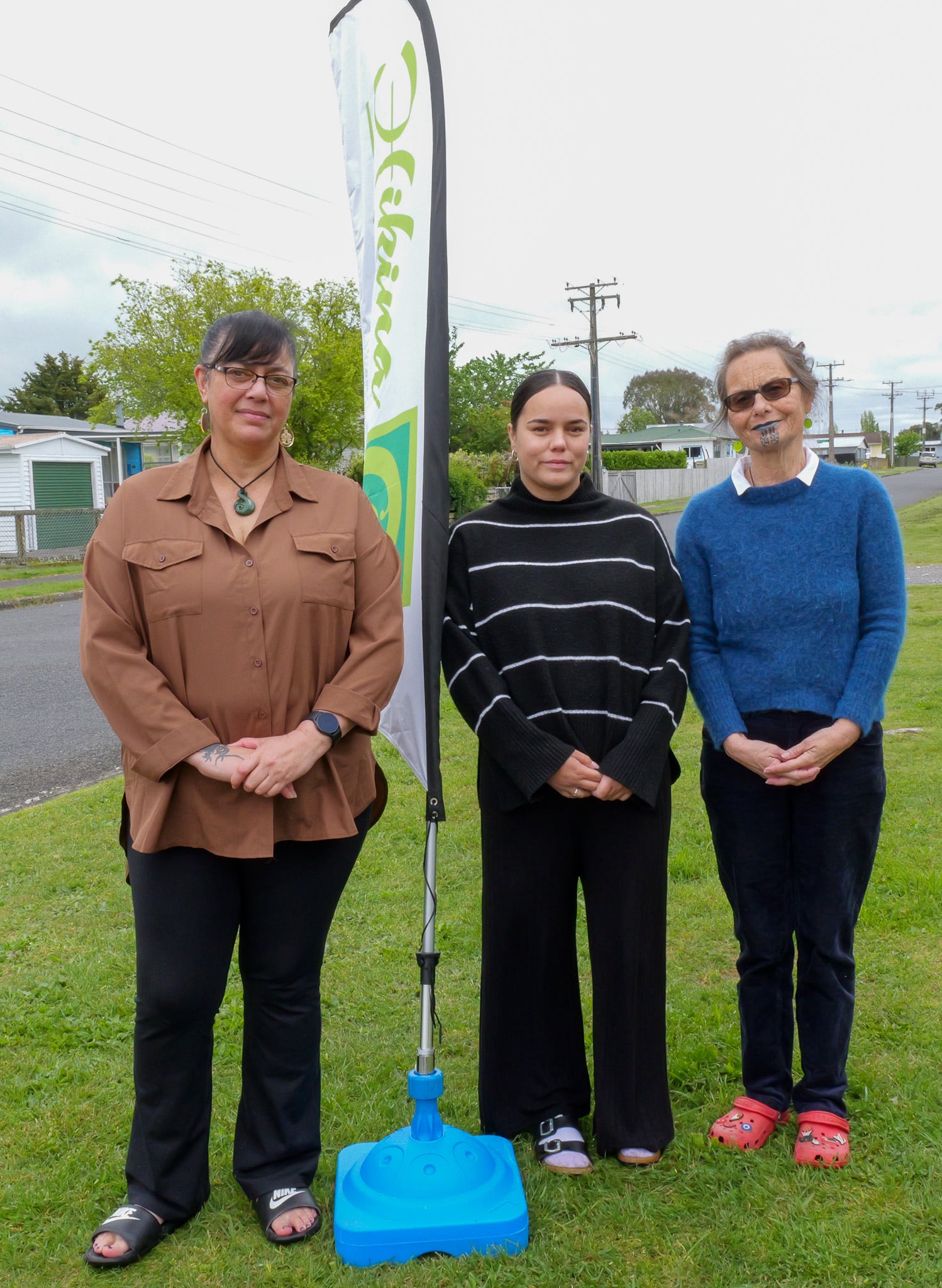
Under Chief Executive, Leanne Karauna, Hikina Te Ora (previously Te Arawa Whānau Ora) has been supporting Mangakino for over 11 years with a small team that now includes two full time Kaiwhiriwhiri.
Kathryn Nolan (Ngāti Kahungungu) is one of them.
“A huge challenge for our whānau is having transport to get to important medical appointments. Either they don’t have a driver’s license, they can’t drive any more, or they have no access to any form of transportation. And they don’t want their whānau taking time off to accommodate them, so they don’t go.”
With just one local doctor, Kathy knows that to reach the specialists needed for their healthcare and wellbeing, whānau must travel a minimum of 30 kilometres.
“Public transport is restricted and while there is a health shuttle through St John, the timetable is limited, and it doesn’t always go where they need to go like Tauranga. Additionally, for whānau, it’s a matter of trust. So, I take them, wait for them to finish, and bring them back. If they have surgery, I drop them off and collect them once they have been discharged. Sometimes I go in to help them ask the right questions to get the support they need.”
Kathy enjoys working closely with her community.
“Most people who contact us just want some company. Someone they can talk to, have a cup of tea with, be seen and not judged. That’s the most important support we can give. A lot of tears get shed in our tari which shows the level of trust we have with this community and the depth of korero we share. Whānau feel disconnected because their family has moved away, leaving them feeling isolated and physically detached.”
Kaiwhiriwhiri, Te Ahumairangi Waka (Ngāti Kahungungu) moved to Mangakino a few years ago to look after her nan and she was drawn to the mahi of Whānau Ora at an early age.
“As a kid I came back here for the holidays, and I remember watching whaea Leanne helping whānau and that made me want to do this mahi. She asked me to do a few hours here and there, then I started doing some training and now I’m here connecting whānau to range of services that make their lives better.”
Despite being in her early 20’s, Ahu knows age is no barrier when supporting whānau.
“I’m forward thinking and aspirational which helps me connect, especially with older whānau. I’m mature for my age and I’m a good listener which contribute to my role. We live in a small town, and we’ve only seen what’s been laid out for us. Whānau don’t realise the options available and the potential they have – they don’t have to follow in the footsteps of their parents and koro.”
Being part of whānau transformation is the best part of Ahu’s role.
“A wahine needed help getting her driver’s license and you could see the stress weighing on her. She couldn’t even look me in the eye. There was a lot of self-doubt, and she couldn’t sit still because she was riddled with anxiety, already feeling defeated. That taught me as a Kaiwhiriwhiri to change the setting for our hui, and I suggested we go for a walk. We did our hui walking around the block constantly talking. It was easier for her to communicate, and together we crafted a workable plan. Despite her fear of failure, she got her learners’ license recently, and you could see the positive change in her. It wasn’t about the license but about creating a goal and achieving it. Her anxiety decreased because her belief in herself increased for the first time in a long time. This created more opportunities for her and her tamariki.”
As a Kaiwhiriwhiri, Ahu is proud of the role she plays in the community.
“It’s a privilege to work with whānau in Mangakino. I’m lucky they trust us with some of their biggest challenges, and they let us experience their transformation.”
Kathy credits her life experience to her ability to connect more effectively with whānau.
“A lot of whānau are stuck in a certain mindset and they don’t know how to get out of it nor are they aware of the services available to help them. I’m fortunate to be able to connect them to what they need and support them on their journey. I’ve been where they are, I’m an example of it so to inspire them to achieve their moemoea is an honour.”
Whānau Transformation
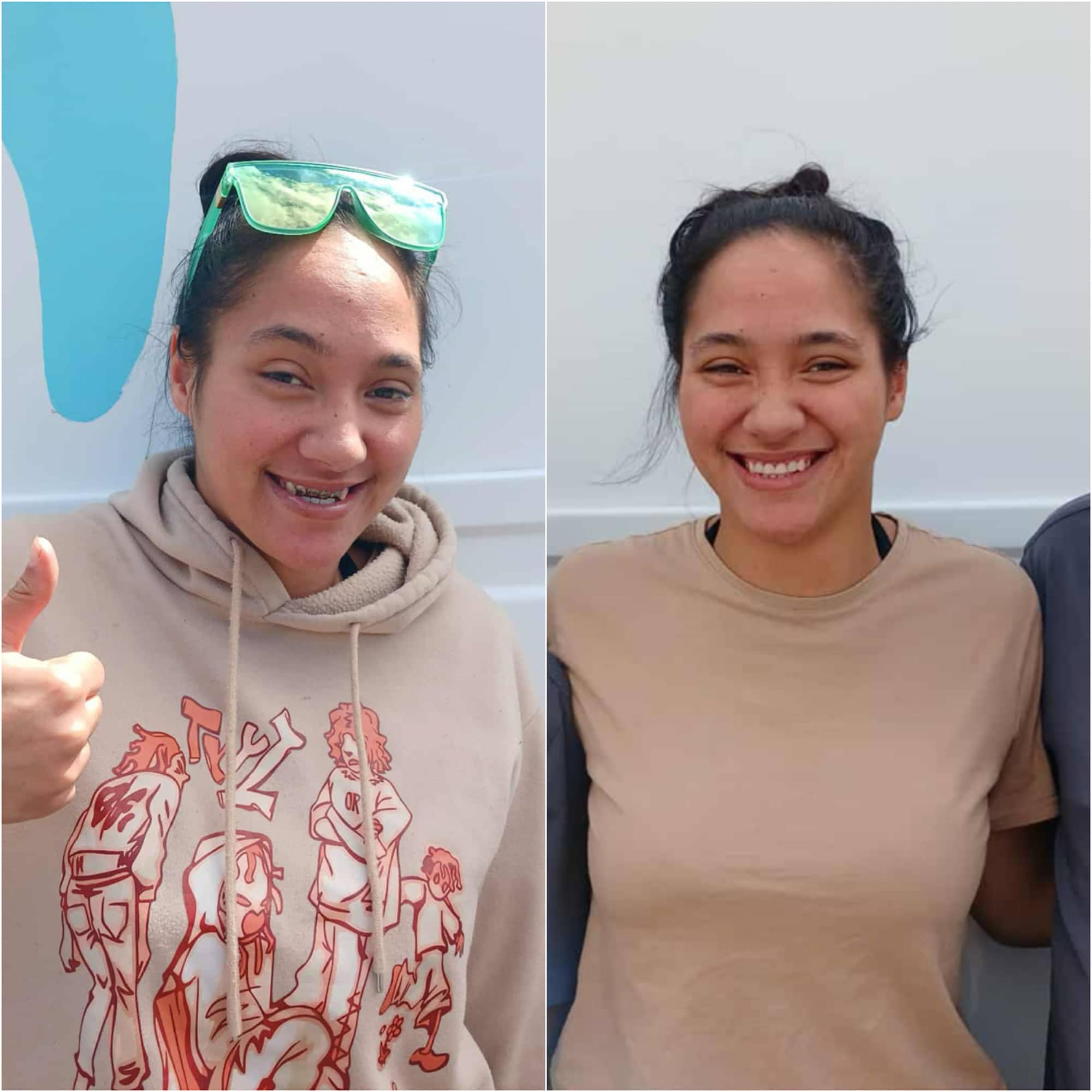
“This wasn’t just about having your teeth sorted, this was about completely changing the appearance and confidence of a lot of our people, it was quite emotional.”
Far North whānau experienced life changing transformation when $120,000 in dental hygiene services was donated through Te Hau Ora o Ngāpuhi Whānau Ora.
Manawatu Dentist Ian Carpenter had recently retired from his practice but continued offering free services for people throughout Te Ika-a-Maui, so Te Puna Manaaki Manager Shamwari Civil got in touch.
“Ian’s been a dentist for over 30 years, and he decided to create a mobile clinic with a Dental Bus. We arranged for Ian and his wife to come up north to deliver dental care for whānau like fillings, extractions, capping, cleaning – everything. Our books were heaving with whānau desperately in need of an oral hygienist, and we wanted to get as many through as possible. It was about making the connections, creating a supportive space to register whānau and filling the appointments. We contacted as many whānau as possible hoping to get 90 people booked in. During that week the dentists treated 108 whānau which is incredible.”
Whānau like local wahine Nikki, who Whānau Ora Navigator, Michelle Absolum, discovered working at a local service station.
“Nikki had been working in hospo which she loves. But she was whakama about her appearance and changed jobs where she volunteered to do the night shift so less people would see her. I went in late one evening to fill up and Nikki was there. I noticed when she was talking to me, she was hiding. I told her who I was, what I do for mahi, and that we had a mobile dental clinic coming and would she be keen. She then asked if they would fix her teeth and I knew they would, so I booked her an appointment.”
The Whānau Ora team were ready to go when the Carpenters arrived Michelle recalls they wasted no time getting started.
“They were smashing out 10 – 12 whānau a day and some had to come back for a second appointment. We were talking about how your mouth health affects your overall wellbeing. Many of our people were experiencing a lot of discomfort due to the lack of access to affordable dental care. One tane looked very unwell getting out of the car when he arrived for his appointment. His mouth was quite infected and within half an hour he had ten teeth pulled out. They made him some dentures, fitted them and now he’s back online doing his māra kai posts and looking well. Plus, he’s smiling. This wasn’t just about having your teeth sorted, this was about completely changing the appearance and confidence of a lot of our people, it was quite emotional.”
Shamwari is proud of the mahi they did alongside Ian for whānau like Nikki.
“Her transformation was immediate. Here’s a young, attractive wahine who had been hiding her face for a long time. These days she’s smiling and she’s back working in hospitality, which she loves. Ian and his wife completely changed people’s lives, and that week of dental work was worth $122,000. They did it all for nothing. Amazing couple.”
The needs of whānau in the Far North differ to those in other areas of Region 1, which is challenging for Shamwari and her colleagues.
“Whānau in Tāmaki Makaurau can access support easily, it’s right there on your doorstep. You could throw a stone and hit a kai pack, a dentist and all these free services. Up here you need to travel a few hours to experience that. We have a real soft spot for our whānau up here, people forget how isolated they are. They come into town once a fortnight to grab their groceries and get their stuff done. And if they can’t get it sorted during that time, they go back home and it never gets resolved.”
This October the Carpenters are returning to Te Hau Ora Ngāpuhi with their Dental Bus for follow up appointments, and the chance for more whānau to begin their transformation journey.
Trudy Brown, GM
“We are in the community and because there are a lot of barriers and hurdles for whānau, we try to make access very easy. We’re online, on the phone, whatever works for whānau, wherever they are, we will come to them. Whānau Ora for me means that our whānau can reach us. We are people who get to know them, who they trust and who they can talk to. We take a lot of time to build that whanaungatanga because we know it’s important to them. They’re not after a quick fix, they want someone to walk with them on their journey, and we can do that. We have the staff, the capability and the capacity to do that.”
Finn Strickland
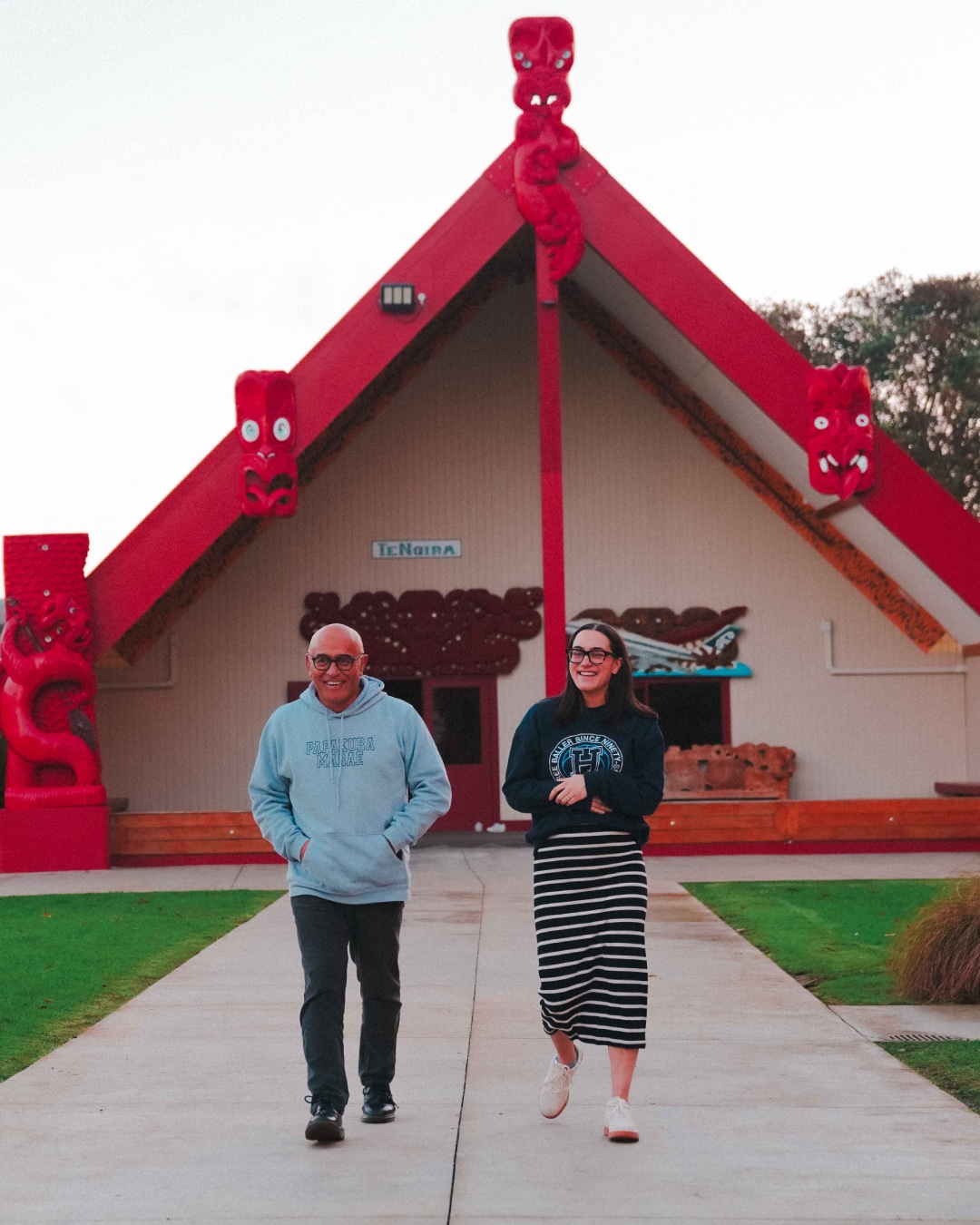
Finn Strickland has dreamed of being a pilot since he was a tamariki, an aspiration that will soon become his reality with the help of a scholarship from Rangitāmiro Whānau Ora partner, Papakura Marae.
“The first time I experienced that feeling of flying was on my 12th birthday when my nanny got me a flight on one of those little aircrafts and I just loved it. So, I began taking the relevant subjects at school like physics, maths and English. Once I passed those, I started to look seriously at the courses I needed to take to move towards aviation.
Becoming a commercial pilot in Aotearoa requires some challenging prerequisites, including 200 hours of flying experience, a tertiary qualification in aviation and some serious financial assistance. Fortunately for Finn, that’s where Whānau Ora came in.
“There are huge costs involved but the Whānau Ora scholarship covered the shortfall so I could start my studies and my journey to becoming a pilot. This is my third year and so far I have my private license and I’m working towards my commercial license. I have about 20 hours left to fly, and I already have booked it in so I should achieve that within the next few weeks. My goal is to fly around the world as a commercial pilot. Something that became more accessible because of Papakura Marae and Whānau Ora.”
At a time when some rangatahi are making headlines for the wrong reasons, Finn is encouraging his age group to reach out for the right support to start putting their aspirations in motion.
“Nothing is impossible. Before I even started wanting to be a pilot, I thought it was beyond my reach. But finding and receiving that financial help was huge and it happened because I started asking around to see who could support my goals and what I needed to do. Starting there is a good place because eventually you will find someone to help make it possible.”
Tom Irvine, CE
“Whānau Ora is a valuable addition to a lot of other things we do here like our Hauora, our cultural renaissance, ahikatanga, our manaakitanga and our mana ora. Although it is one piece, Whānau Ora is an important piece, and we are very glad to be associated with Rangitāmiro and Whānau Ora enabling us to continue to be providers for our whānau.”
Ina Walters
“I didn’t feel judged. I could be myself. In my mind I knew who I was in the past, but no one at BBM knew.”
In 2019 Ina Walters was scrolling through her Facebook feed when she saw a Buttabean Motivation (BBM) bootcamp ad that saved her life.
“At that time, I was trying to find myself and get fit. I had just gotten out of prison, so I was still on home detention, overweight, a full-on meth addict doing criminal activities to support my habit and I was an absent mum. The only time I was clean was when I was in prison and that’s when I knew this life wasn’t for me.”
Five years earlier BBM opened their new premises in Manukau City supporting whānau towards healthier, fitter lifestyles. Dave Latele’s organisation is purposefully run by people who have changed their own mindsets, taking themselves on personal journeys of self-discovery and aspirational living, exactly what Ina needed.
Her parole officer extended her freedom due to her good behaviour so Ina chose to prioritise her hauora.
“I was getting out of active addiction. You wouldn’t know I was that person back then if you were only meeting me now. I couldn’t afford the gym, so these free classes were life changing. I just showed up. I met Dave and Corinne and straight away, I felt like I was at home. I never stopped coming. I started with one session a week, then two, then three, four, five, six and then basically, I was living there because I turned up every day.”
The physical changes became visible as the weeks progressed, but mentally Ina noticed the difference immediately.
“I didn’t feel judged. I could be myself. In my mind I knew who I was in the past, but no one at BBM knew. They started calling me sis, they welcomed me and that impacted positively on my mental health and how I started seeing the world.”
Ina was used to living in an environment that enabled her drug and alcohol addiction. She had her first taste of alcohol while at primary school which led to consuming up to a gram of meth a day as an adult. Ina gave birth to her first son at 15 years old, and two more children followed. Her world spun out of control after her partner committed suicide, something she could never understand and so she turned to other vices as a coping mechanism.
“Today I know how to feel the fear and do it anyway. Back then I wasn’t taught that, nobody’s taught that, no one knows how to go through grief. I didn’t know how to live, I didn’t want to, but I had to for my children.”
Enveloped in the BBM Whānau Ora, Ina has rebuilt her life, strengthened her relationships with her children and solidified her own self-respect.
“I am proud of myself. I have had so many things to unpack and get out of my system over the years. It’s taken me a long time to be able to say that.”
Despite growing up poor in a family who relied on kai packs, Ina felt loved and is now fortunate to be in a position where she helps support whānau.
“I started as a volunteer at the foodbank. I was actively looking for a job, but no one would hire me, so these guys put me on the payroll for the food share. I started running that, and then doing pre-employment programmes, and I even facilitated a health and wellbeing Level 1 and 2 programme. Currently I do all the back end mahi for the BBM app.”
Ina’s resilience and determination, alongside the support she has received at BBM have facilitated her transformation, tautoko she values deeply.
“Without BBM coming into my life I would probably be in jail, or dead. Every day I wake up and I am grateful for being introduced into this space, for giving me new life, and all the opportunities and blessings that continuously flow into my cup.”
Dave Latele, CE/Founder
“This work, when you see all these different things, it’s cool, it’s amazing but, it’s because our people are in need. I wish we didn’t have to do it. However, I choose to do this and to help people. Success is when we don’t have to do this anymore.
I know that my outspokenness can hurt us, and we don’t get the funding we should because of it. But you must speak up, because there’s no point in having some sort of public profile if you don’t use it. There’s no way I can’t say these things. I’m not trying to be a radical, I’m just saying the things that are happening politically and the things that we are seeing in our communities.
This system is so full of bureau-crap, that’s what I call it, it stops people from helping people. We help no matter what, so many whānau just have their heads above water and we do what we can with what we have. We make it happen and I’m glad we’re here to help our people. Whānau Ora is family and helping one another. That’s what it is, no one is getting left behind. If someone is still going, we go back and we pick them up.”
Okena Simon, Project Manager
“We have a lot of different whānau who are looking for a range of different support services. For us whānau Māori is our primary focus because they are the ones who are heavily impacted by negative statistics. So, we enhance our whānau especially from a Whānau Ora perspective, not as a single person-focus. We view hauora as a whānau focus and we position ourselves to engage with high to critical needs whānau in impossible to reach places throughout our community.
We amplify their wellbeing by looking at their situation from a Te Whare Tapa Whā framework and seeing what walls are lacking, and what walls need support, and being able to provide that for them from a tinana, hauora standpoint. We provide mental health services and we run events throughout the year for tamariki, mokopuna, tane and wahine to increase that social aspect for overall positive well being.”
Tia Ashby, CE
“We are the largest iwi in Aotearoa with 175,000 – 185,000 registered whānau, and that means our services are not confined to boundaries at all. Our whānau can be transient, they move away for opportunities and although we have intensive programmes we deliver specifically in our rohe, there are others we have outreach to around the motu. We have 106 staff to deliver targeted support for whānau through their transformation of positive wellbeing that is sustainable and aspirational. It is a lot of mahi, but it is awesome mahi.”
Tony Kake, CE
“Our whānau whether they are red, black or white are welcome here at this marae. We have over 52 services here, Whānau Ora 2.0, Rangitāmiro is just one in our approach to support whānau. We are an urban marae, with whānau who have experienced extremes of hardship, of poverty, but we try to take them on a hikoi through unconditional support, manaakitanga, whanaungatanga and rangatiratanga. As a marae we are here to serve our community as best as we can. If we can’t support them with one of our 52 services, we seek it elsewhere with our partners, our funding organisations who support us, our philanthropists who back Papakura Marae. We always find a way to tautoko whānau.”
Josie Rapana, CE
“Ultimately for us we’re a community, and if we can support whānau we do. The reality of working within your own community is that sometimes your own community doesn’t support you. That’s reality and we live with that. But I think that we’ve certainly done some key stuff across Ngāti Hauā and so transitioning into this phase of Whānau Ora with Rangitāmiro will bring opportunities that will strengthen our support for whānau here”.
Nora Rameka, CE
“We actually have four papakainga here in Ngāti Rēhia. There is Takau, Teti, Matoa and Kerikeri Inlet. These are all Māori whānau that we will help. And we will help them. If they are whānau, they all whakapapa to us anyway, it doesn’t matter where they are from. Our role is to āwhina. That’s our role. Whether we do that in a way that actually looks after our whānau, and our Tamariki, that’s the kind of stuff we always do. We try to always support. Because it doesn’t matter if you do whatever you have to do, if we stick to our values we have as Māori, we’ll always be ok.”
Christine Brears, CE
“The current climate within the political arena is making it much harder and it’s pushing us backwards. So, between ourselves as partners and Rangitāmiro we are going to have to work hard to make a difference, to stay in the game. Whānau Ora is special, Whānau Ora is specific, and our Whānau Ora navigators are skilled people, and it begins with the lived experience of Māori. And it also sits in the space of our own stories, our own narratives, especially our lived experience in relation to where we have come from.”